




Welcome to Invest in ME Reads
Children learn to manage money from the adults in their lives, making you an important influence in helping to build lifelong financial skills. Invest in ME Reads is a free family financial wellness program you can use at school or at home. Maine students in grades 1–6 can access free books and resources that make learning about money simple and fun. You’ll also find tools to help you build your own financial confidence along the way.
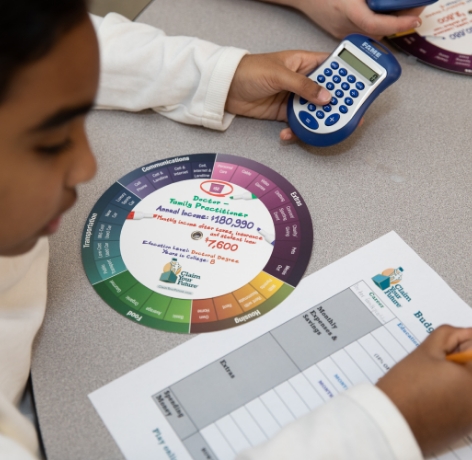


Games and Activities
Explore simple games that help kids practice money skills and start thinking about future goals.
Financial Skills
- Meet the Money Monsters! – Fun characters who teach kids financial concepts (age 6-8)
- Sesame Workshop – Videos and fun lessons (age 6-8)
- US Mint – Games, activities, and coloring books (age 6-8)
- Cha-Ching™ Money Smart Kids – Games and videos that build financial skills (age 7-8)
- BizKid$ – Fun games to help you learn about money (age 8-9)
- MyCreditUnion.gov – Test your financial knowledge with these fun games (age 8-12)
- Thinking Money for Kids
- Activities and games on various financial topics (age 8-9)
- Fun games that teach money skills (age 9-12)
- FDIC – Learn about everyday financial topics
- FDIC Money Smart for Young People (age 9-10)
- FDIC’s How Money Smart Are You (age 10-12)
- KidsMoney.org – Tools to teach financial knowledge (age 9-10)
- Board games to play for a hands-on activity with children:
- Count Your Chickens (age 6-7)
- Hi-Ho! Cherry-O (age 6-7)
- The Game of Life (age 7-12)
- Pay Day (age 7-9)
- Monopoly (age 9-12)
- FAME Learning: Printable Financial skills worksheets for kids
Education and Career Exploration
- Cash and Max – Learn about education and future careers
- Cash and Max Coloring Book (age 6-8)
- Cash and Max Activity Books (age 8-9)
- MAGtown – Learn more about different jobs in your community (age 6-9)
- MyPlan – Create a plan to do, save, learn (age 6-12)
- PBS Kids A-Z Career Lab – Learn about various careers (age 6-8)
- US Bureau of Labor Statistics Career Exploration – Learn about education and skills needed for various careers (age 8-12)
- NCES Kids’ Zone – Learn about education and skills needed for various careers (age 8-12)
- BizKid$ – Games to inspire entrepreneurism (age 9-12)
- Claim Your Future® – A game that teaches about future careers, education, and money (age 9-12)
- HirePaths – Activities to support career exploration (age 9-12)
- FAME Learning: Printable Education and Career Exploration worksheets for kids
Tips and Tools for Families and Teachers
Find simple, practical resources to help kids build money skills.
Financial Skills
Age 6-9:
- Every day, you are modeling financial behaviors and teaching financial skills. Make your next visit to the grocery store, bank, or gas station a lesson.
- Teach your child about money and saving for the future by creating ways for them to earn rewards for chores or other behaviors. A reward chart is a great way to get them started on a path to financial success.
- Bring your child to the grocery store and ask them to help you compare prices. Be sure to talk with them about store brand vs. name brand and unit pricing.
- Help your child plan and set aside their allowance or gift money for spending, saving, and giving. A general rule is that 1/3 of the total amount could be set aside for each category.
Age 9-12:
- Ask your child to set a goal for something they would like to purchase, talk about the steps it would take to get it, check the progress, and monitor whether that goal is still important.
- Bring your child with you to your local bank or credit union and open a savings account. Consider a “matching plan” for your child’s savings: you put in 25 cents for every dollar your child saves.
- Let them make financial mistakes while it’s safe. We all learn by doing and so will your child. While it may be tempting to stop them from using their money for frivolous purchases, now is a great time for them to learn about buyer’s remorse. These early lessons may prevent them from making costly mistakes in the future.
Education and Career Exploration
Age 6-8:
- Show your child that you value education. Getting to know their teacher, attending school events, and making sure they arrive at school on time all demonstrate a commitment to lifelong learning.
- Talk to your child about your work, or about other jobs in their community or school. Encourage them to think about what they enjoy doing during their free time.
Age 8-9:
- If you or another family member attended college or training, share that experience with your child, including the college or training program attended.
- Encourage your child to interview a family member about their chosen career. Talk with them about what they learned.
Age 9-12:
- If your child has a college savings account, talk with them about it, including what it can be used for and why you save. If your child doesn’t have a college savings account, consider learning more about Maine’s education savings program, including resources for saving at NextGenforME.com.
- If you are attending college yourself, or know someone who is, visit the campus and talk with your child about college. Help them make a list of nearby colleges.
Resources for Enhanced Learning
- Subscribe to Paper Robots: Helping Families Talk About Money and Work
- Listen to the Raising Maine podcast Money Mindset: Expert advice on how to raise financially savvy kids
- FAME Learning: Printable Education and Career Exploration worksheets for kids
Book Recommendations
Stories can spark conversation at home or in the classroom.
A Bike Like Sergio’s (age 6-7)
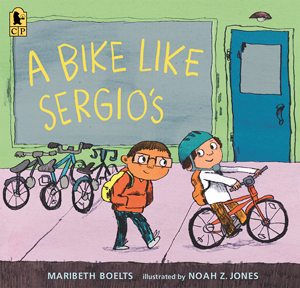
In January each year, all Maine first graders attending public school receive A Bike Like Sergio’s, a story that encourages students to explore decision-making, empathy, and the power of giving.
Use this reading guide to make the most of the lessons from this book.
Those Shoes (age 7-8)
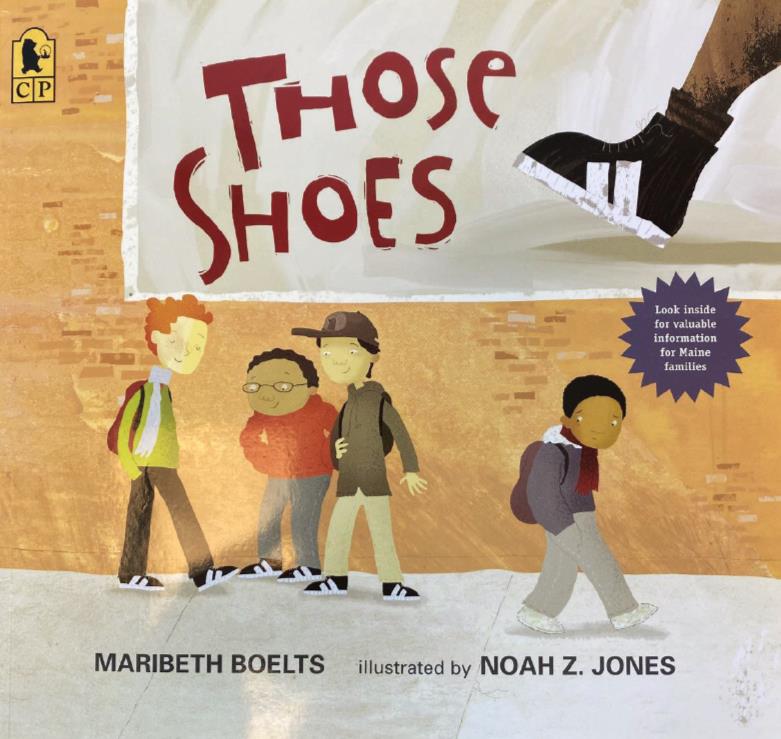
In January each year, all Maine second graders attending public school receive Those Shoes, a story that includes themes of saving, giving, and delayed gratification.
Use this reading guide to make the most of the lessons from this book.
The Know-Nonsense Guide to Money: An Awesomely Fun Guide to the World of Finance! (age 8-9)
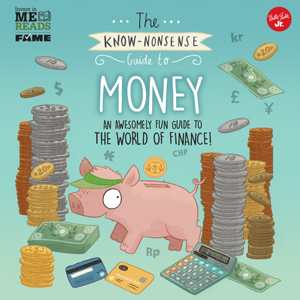
In January, all Maine third graders attending public school receive The Know-Nonsense Guide to Money: An Awesomely Fun Guide to the World of Finance! This fun book explains the basics of saving, spending, and money lessons in a way that kids will understand.
Use this reading guide to make the most of the lessons from this book.
Priceless Facts about Money (age 9-10)
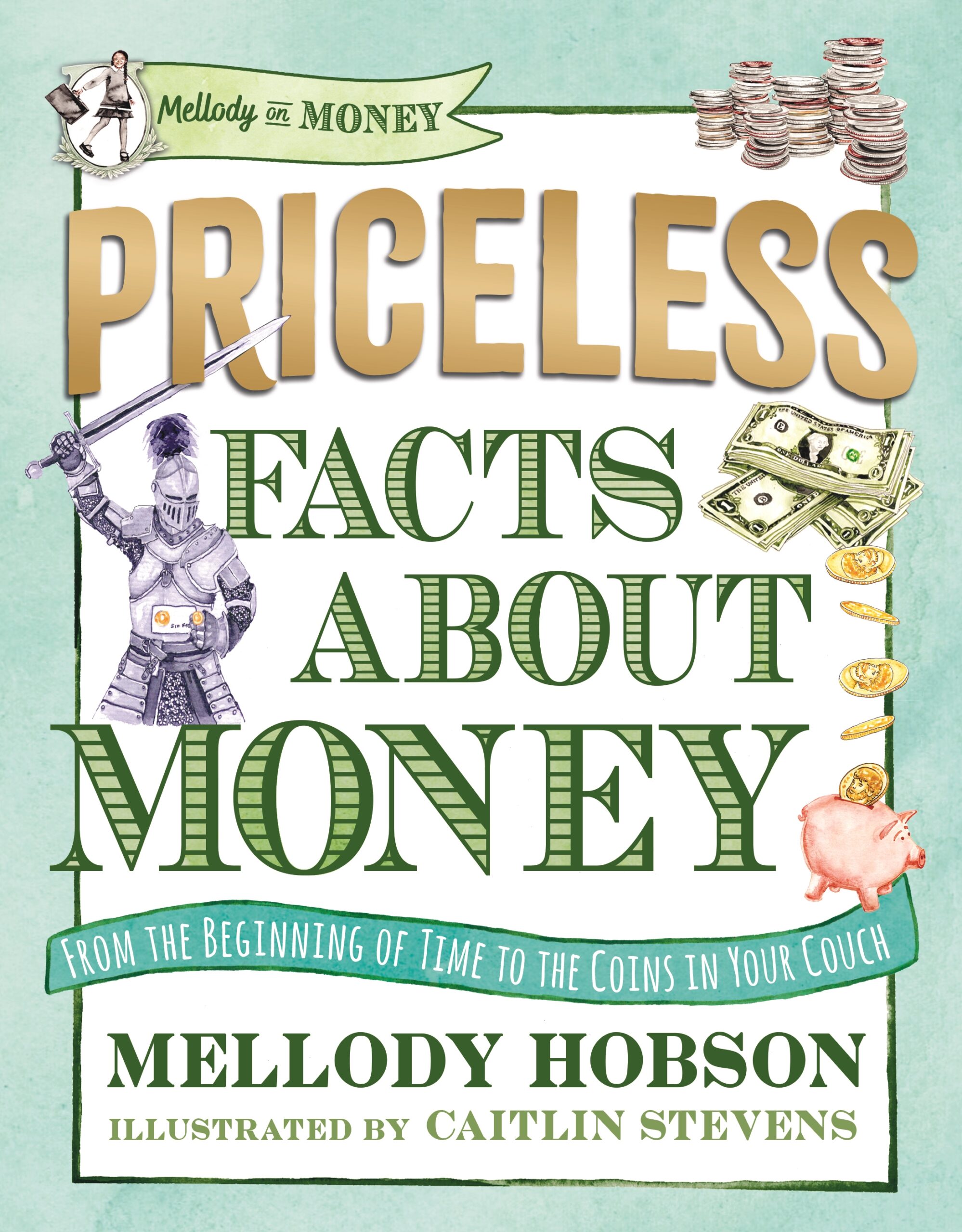
In January, all Maine fourth graders attending public school receive Priceless Facts about Money, a book that demystifies money and introduces students to wild and weird facts about what makes the world go round.
Use this reading guide to make the most of the lessons from this book.
World’s Coolest Jobs (age 10-11)
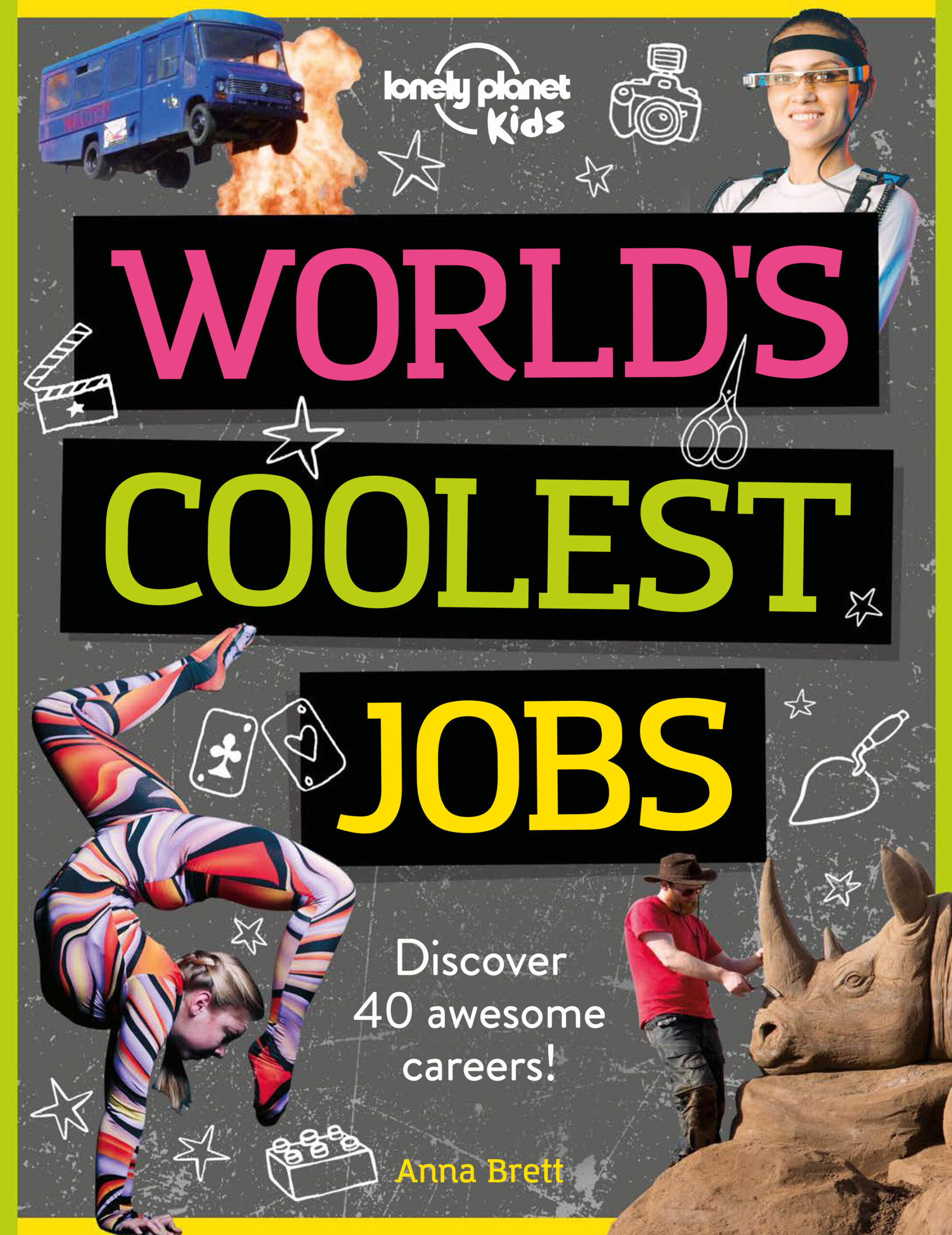
In January, all Maine fifth graders attending public school receive World’s Coolest Jobs, a book that encourages students to explore future careers.
Use this reading guide to make the most of the lessons from this book.
Financial Wellness for Adults
Discover our extensive free financial wellness resources designed to support you on your journey toward financial freedom.